Common Stinging Insects That Invade Homes
Local service providers can identify and eliminate common stinging insects that invade homes, helping you stay safe and pest-free.
If you’ve noticed unexpected stinging insects around your home, you’re in the right place to learn more about common invaders that can become a nuisance or even a safety concern. Property owners in the area often seek information about these insects to better understand potential risks and how to handle infestations effectively. Knowing which insects are likely to invade homes can help you identify signs of nests or activity early, making it easier to decide when professional assistance might be needed to keep your property safe and comfortable.
Local service providers specializing in stinging insect control are equipped to address these issues safely and effectively. Whether it’s removing a nest or preventing future invasions, experienced contractors can help manage the problem with targeted solutions. Keep reading to discover more about the common stinging insects that invade homes and learn how local experts can assist in maintaining a pest-free environment.
- Common stinging insects that invade homes - homeowners noticing nests or increased insect activity may need professional removal and control services. Local contractors can identify the species and safely eliminate nests to prevent further invasions. When stinging insects pose a threat to family or pets, experienced service providers can implement targeted treatment plans. For those dealing with persistent infestations, local pros can inspect and treat entry points to reduce the likelihood of future invasions. Contacting local experts ensures safe, effective removal of common stinging insects that invade homes.
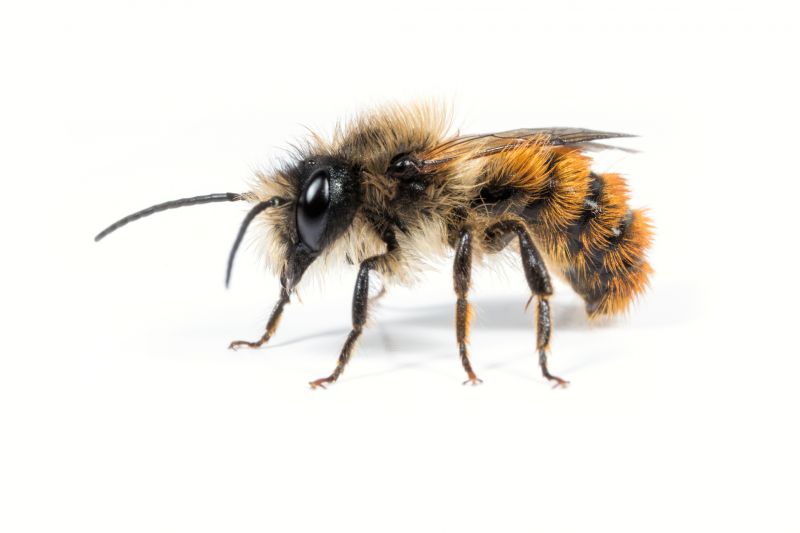
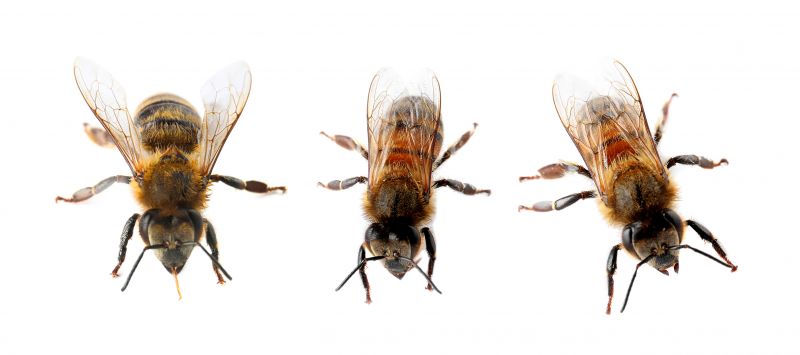
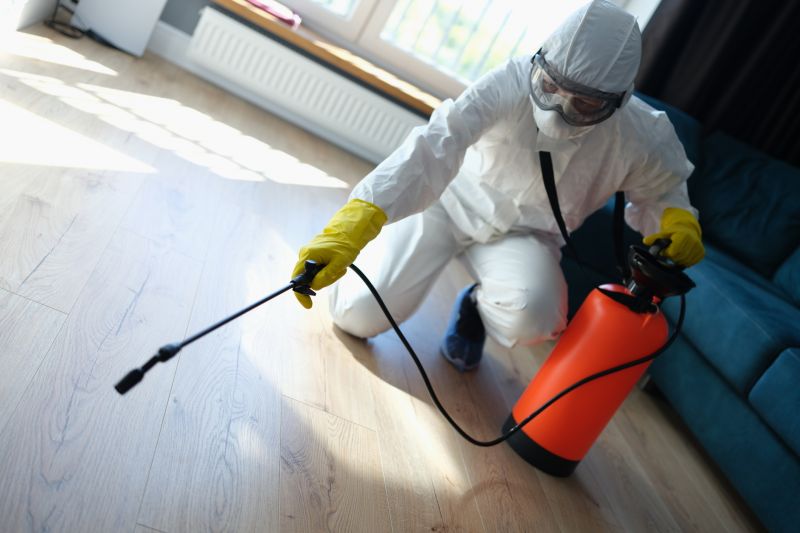
Many homeowners searching for information about common stinging insects that invade homes are often concerned about safety and property damage. These insects tend to establish colonies near or inside residential properties, especially during warmer months. People might notice increased activity around eaves, attics, wall voids, or even inside the home itself. The primary motivation behind these searches is to understand which insects pose a threat, how they might be entering the home, and what steps can be taken to eliminate the problem effectively. Recognizing the types of insects involved helps homeowners plan appropriate control strategies and decide when professional assistance is needed.
The types of problems associated with common stinging insects that invade homes often include aggressive behavior when disturbed, potential allergic reactions, and the risk of multiple stings. Many homeowners are concerned about the safety of children and pets, especially if they notice buzzing insects near entry points or inside living spaces. These situations often lead to plans for removal or exclusion, with many seeking professional help to ensure the colony is eradicated without causing damage to the property. Local contractors who specialize in stinging insect control can provide targeted solutions, including nest removal and preventative measures, to reduce the likelihood of future invasions.
Properties most commonly affected by these insects tend to be residential homes, especially those with structural gaps, overgrown vegetation, or nearby sources of food and water. Attics, wall voids, soffits, and eaves are typical nesting sites for species like paper wasps, yellow jackets, and hornets. Homes with outdoor structures such as sheds, decks, or compost piles may also be more vulnerable. Additionally, properties with fruit trees or flowering plants nearby can attract certain stinging insects seeking nectar or sugary substances. Understanding the property features that attract these pests can help homeowners work with local service providers to implement effective exclusion and control measures.
When dealing with common stinging insects that invade homes, it is important to recognize the role of local pros in managing the situation safely and efficiently. These service providers have the experience and tools to identify the specific species involved, locate nests, and carry out targeted removal or control treatments. Their expertise can help minimize disruption and prevent future invasions by sealing entry points and applying preventative treatments around the property. Engaging with local contractors ensures that the problem is addressed professionally, reducing the risk of stings and damage while maintaining the safety of everyone in the household.
Pest prevention services - these projects involve identifying and sealing entry points to prevent various pests, including stinging insects, from invading homes, utilizing similar planning and inspection skills.
Insect habitat removal - removing nests and habitats for stinging insects often requires knowledge of insect behavior and environment management, which aligns with services targeting common stinging insects that invade homes.
Exterior home inspections - thorough inspections to identify potential nesting sites and insect activity help prevent invasions, requiring skills comparable to those used in managing stinging insect problems.
Wildlife exclusion projects - installing barriers to keep insects and other pests out of homes involves planning and precise installation, similar to controlling stinging insects that invade structures.
Yard and landscape cleanup - clearing debris and potential nesting sites in yards reduces insect attraction, paralleling efforts to prevent common stinging insects from establishing colonies near homes.
Insect trapping solutions - setting up traps for various insects involves understanding insect behavior and placement, which can be applied to managing stinging insects that invade homes.
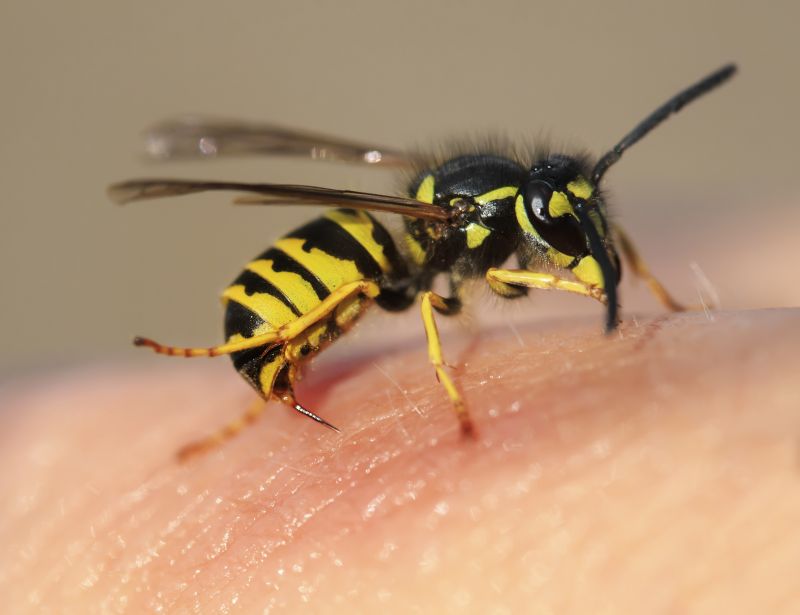
When comparing local contractors for stinging insects control services, it is important to consider their experience with similar projects. Homeowners should look for service providers who have a proven track record in managing common stinging insects that invade homes, as this indicates familiarity with the specific challenges and effective treatment methods. An experienced contractor will be more likely to understand the behavior of different insects, such as wasps, hornets, or yellow jackets, and tailor their approach accordingly to ensure thorough removal and prevention.
Clear written expectations are essential when evaluating potential service providers. Homeowners should seek out contractors who provide detailed descriptions of their services, including the scope of work, treatment methods, and any follow-up procedures. Having this information in writing helps prevent misunderstandings and ensures that both parties are aligned on what will be done. Well-defined expectations also make it easier to compare different providers based on the comprehensiveness and transparency of their communication.
Reputable references and effective communication are key indicators of a reliable contractor. Homeowners can ask for references or reviews from previous clients who had similar issues with stinging insects invading their homes. Good communication throughout the process-such as prompt responses to inquiries and clear explanations of treatment options-can significantly impact the overall experience. Service providers who prioritize open dialogue and provide consistent updates are more likely to deliver a positive and satisfactory service, helping homeowners feel confident in their choice of a local contractor.
Property owners often search for common stinging insects that invade homes when they are planning practical projects around their homes and businesses. Local pros provide Stinging Insects Control services for everyday jobs and straightforward project options.
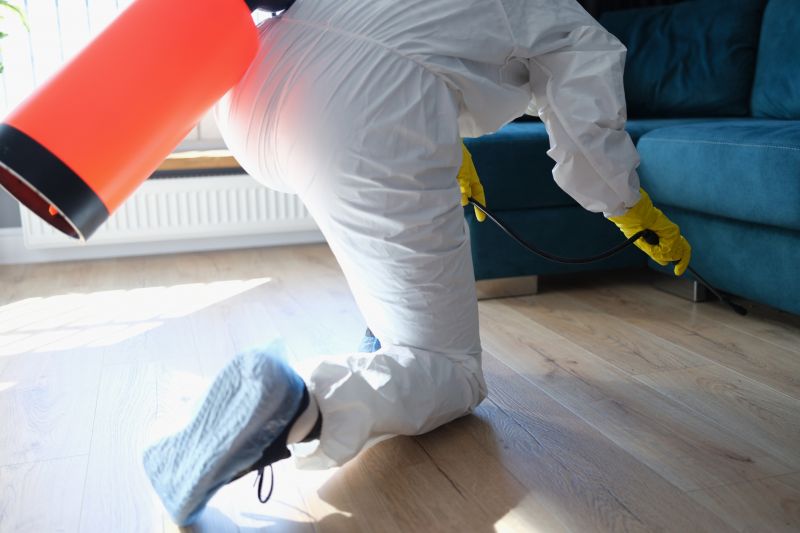
Many property owners in the area notice the presence of common stinging insects that invade homes, especially during warmer months. These insects often build nests in hidden spots around the property, such as eaves, attics, or wall voids, which can lead to unexpected stings or increased insect activity near living spaces. When dealing with these pests, many consider reaching out to local contractors who specialize in stinging insects control to safely and effectively remove nests and prevent future invasions.
Homeowners seeking solutions to manage or eliminate stinging insects might look for professional services to handle the situation. Local service providers can assess the extent of the infestation, identify the specific type of insect involved, and implement targeted treatment strategies. Engaging with experienced contractors ensures that the problem is addressed efficiently, helping to reduce risks and restore peace of mind around the home.
What are the most common stinging insects that invade homes? The most common stinging insects that invade homes include wasps, hornets, and yellow jackets. These insects often seek shelter inside walls, attics, or eaves, especially during late summer and fall.
Why do these insects invade homes? These insects invade homes to find shelter, build nests, or access food sources like sugary drinks and food scraps. They are attracted to areas where they can establish colonies or find protection from the elements.
How can local contractors help control stinging insect invasions? Local contractors can identify the species involved, locate nests or entry points, and safely remove or treat the insects. Professional services help ensure the problem is handled effectively and reduce the risk of stings.
Are there signs that indicate a stinging insect nest inside my home? Signs include increased insect activity near entry points, buzzing sounds, or visible nests in hidden areas such as wall voids, attics, or behind exterior siding. Contacting a professional can confirm and address the issue.
What steps can be taken to prevent future invasions? Preventive measures include sealing cracks and gaps, removing food attractants, and scheduling regular inspections by local pros. These steps help reduce the likelihood of stinging insects establishing inside the home.
Identify nesting sites - property owners can inspect their homes for potential nesting areas where common stinging insects that invade homes may establish colonies, and then seek advice from local contractors on removal options.
Seal entry points - sealing cracks, gaps, and vents can prevent stinging insects from entering living spaces, with local service providers offering professional sealing and exclusion services.
Remove attractants - clearing away debris, fallen fruit, and standing water around the property reduces attractants for these insects, and local pros can assist with targeted treatments to deter invasions.
Schedule regular inspections - routine checks by local contractors can identify early signs of infestations, allowing for prompt removal and ongoing prevention measures.
If you are thinking about common stinging insects that invade homes for a property, this guide is meant to help you understand this topic, the typical project types, and how different options might fit your plans.
When you are ready, you can use the quote form on this page to share a few details about your project. From there, local pros can review the basics and follow up with options that match what you have in mind.